

Dry, tight, or dull skin is one of the most common frustrations we hear about. You try product after product, follow tip after tip, and still your skin feels like it needs more. The problem is rarely a lack of effort. It is usually a lack of the right information. We put together 10 dermatologist-approved, hassle-free strategies to help you build a hydration routine that actually works, without the overwhelm of a 12-step regimen or a shelf full of products you barely understand.
Table of Contents
- Understanding skin hydration: Why it matters
- Start with a gentle, hydrating cleanser
- Layer powerful humectants like hyaluronic acid and glycerin
- Seal in moisture with an effective moisturiser
- Use hydrating mists and essences for quick refreshment
- Avoid common mistakes that reduce skin hydration
- Minimalistic step-by-step routines for deep hydration
- Treat yourself: Masks and intensive treatments for thirstier skin
- Compare the top ways to boost and maintain skin hydration
- Elevate your hydration routine with SMPL SKIN
- Frequently asked questions
Key Takeaways
| Point | Details |
|---|---|
| Focus on gentle cleansing | A mild cleanser safeguards your skin barrier and supports long-term hydration. |
| Use humectant-rich serums | Ingredients like hyaluronic acid boost your skin’s ability to retain moisture. |
| Seal in moisture effectively | A well-formulated moisturizer prevents water loss and keeps your skin soft all day. |
| Adopt minimal, consistent routines | Simple routines with targeted products improve hydration better than layering many products. |
Understanding skin hydration: Why it matters
Before we get into solutions, it helps to understand what we are actually solving. Skin hydration refers to the water content inside your skin cells. When that water level drops, your skin loses its bounce, glow, and resilience. This is different from dry skin, which is a skin type caused by low oil production. Dehydrated skin is a condition that can affect anyone, even people with oily skin.
Common signs of dehydrated skin include:
- Tightness after cleansing
- Flakiness or rough texture
- Dullness and uneven tone
- Fine lines that appear more visible
- Increased sensitivity or redness
Skin dehydration can lead to increased sensitivity and premature aging, which is why addressing it early matters. Hydrated skin is not just about looking good. It is about keeping your skin barrier strong and functional so it can protect you every day.
Now that you know why hydration matters, it is time to explore the best ways to actually improve it.
Start with a gentle, hydrating cleanser
Your cleanser is the foundation of your routine. Get it wrong, and everything else you apply is fighting an uphill battle. Many foaming or gel cleansers strip the skin of its natural oils and disrupt the moisture barrier, leaving your skin more vulnerable to water loss.
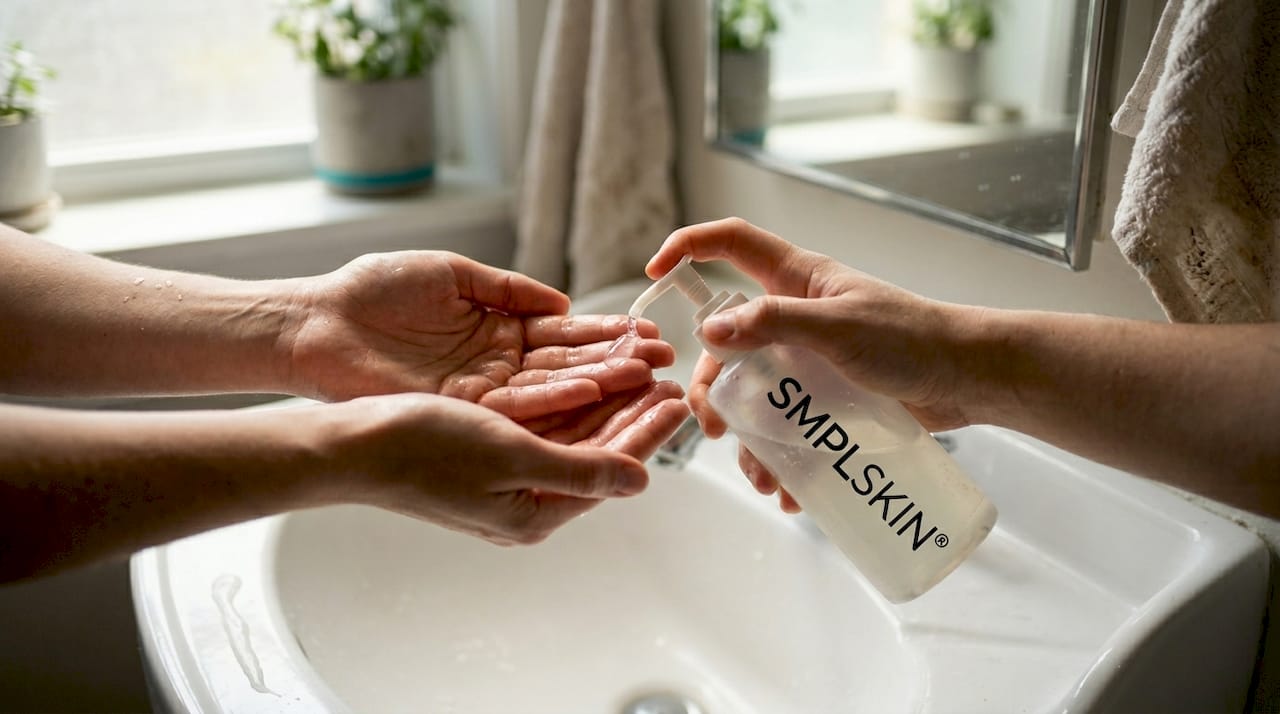
Harsh cleansers can disrupt the skin barrier and worsen dryness. The fix is simple: switch to a creamy, low-foaming, or specifically formulated hydrating cleanser.
Benefits of a gentle cleanser include:
- Preserves your skin’s natural moisture barrier
- Removes dirt and impurities without stripping oils
- Leaves skin feeling soft, not tight
- Prepares skin to absorb serums and moisturisers better
If you have dry or dehydrated skin, consider cleansing just once daily at night. In the morning, a simple rinse with lukewarm water is enough. Our best gentle cleanser is formulated with German Chamomile and Cucumber Extract to cleanse without compromising hydration.
Pro Tip: Pat your skin dry with a soft towel instead of rubbing. Rubbing creates friction that can irritate and further dehydrate your skin.
Once your cleansing routine supports hydration, your next step is to layer in ingredients proven to attract and lock in moisture.
Layer powerful humectants like hyaluronic acid and glycerin
Humectants are ingredients that draw water from the environment and from deeper skin layers up to the surface. They are the workhorses of any hydration routine. The two most effective and accessible humectants are hyaluronic acid and glycerin.
Hyaluronic acid can hold up to 1,000 times its weight in water, making it one of the most powerful hydrating ingredients available.
“Humectants like hyaluronic acid and glycerin are the backbone of effective skin hydration. Without them, even the best moisturiser has less to work with.”
How to use humectants effectively:
- Apply to slightly damp skin right after cleansing
- Use a few drops of a serum or essence containing hyaluronic acid
- Layer a moisturiser on top immediately to seal in the hydration
- Avoid applying humectants to completely dry skin in very low-humidity environments, as they may draw moisture from deeper skin layers instead
Our hyaluronic acid serum is designed for exactly this step, delivering concentrated hydration in a lightweight formula that absorbs quickly.
Humectants bring hydration in, but to keep it from escaping, you need effective moisturisers that lock it down.
Seal in moisture with an effective moisturiser
A moisturiser does more than just hydrate. It creates a protective layer over your skin that slows down transepidermal water loss (TEWL), which is the process of water evaporating from your skin into the air. The best moisturisers combine three types of ingredients: humectants (attract water), emollients (smooth and soften), and occlusives (seal and protect).
Occlusives prevent up to 98% of transepidermal water loss when applied correctly, making them a critical part of any hydration routine.
| Ingredient type | What it does | Example ingredients |
|---|---|---|
| Humectant | Attracts water to skin | Hyaluronic acid, glycerin |
| Emollient | Smooths and softens skin | Squalane, shea butter |
| Occlusive | Seals in moisture | Petrolatum, beeswax |
For those who prefer a minimal routine, look for a moisturiser that combines all three. Adding SPF to your morning moisturiser also protects against UV-induced dehydration. Our daily moisturiser with SPF covers all of this in one simple step.
A solid moisturiser is non-negotiable, but to take things further, consider hydrating mists and essences.
Use hydrating mists and essences for quick refreshment
Mists and essences are the unsung heroes of skin hydration. They are lightweight, fast-absorbing, and incredibly versatile. You can use them at multiple points in your day without disrupting your routine.
Here is how to get the most from them:
- Spritz a hydrating mist after cleansing to prep skin before your serum
- Use it over makeup midday for a quick refresh without smudging
- Apply an essence after toning and before your serum for an extra hydration layer
- Keep a mist at your desk if you work in an air-conditioned environment
- Use after sun exposure to calm and rehydrate skin
Facial mists with humectants can provide an immediate increase in skin hydration, especially in dry environments. Our hydrating gel option works in a similar way, delivering a burst of moisture that absorbs without any greasy residue.
Pro Tip: Look for mists that contain glycerin or aloe vera rather than just water. Plain water mists can actually evaporate and take some of your skin’s moisture with them.
While these foundational steps matter, some overlooked habits also sabotage hydration. Here is what you should avoid.
Avoid common mistakes that reduce skin hydration
Even the best products cannot save a routine built on bad habits. Some of the most common hydration mistakes are easy to fix once you know what to look for.
Things that quietly drain your skin’s hydration:
- Washing your face with hot water (lukewarm is always better)
- Using harsh scrubs or exfoliating too frequently
- Skipping moisturiser after cleansing, even if your skin feels oily
- Spending long hours in air-conditioned or heated rooms without a mist or humidifier
- Using foaming cleansers twice daily on dry or sensitive skin
Over-exfoliating30045-0/fulltext) can decrease skin hydration by up to 30%, which is a significant drop for something many people do without thinking. Switching to gentle products that support rather than strip your barrier makes a real difference.
With traps to avoid in mind, let us break down effective, minimal step-by-step routines to maximise hydration.
Minimalistic step-by-step routines for deep hydration
Consistent routines with fewer, targeted products can improve skin barrier function within weeks. You do not need ten steps. You need the right steps.
Morning routine:
- Rinse with lukewarm water
- Apply a humectant serum to damp skin
- Follow with a moisturiser that includes SPF
Evening routine:
- Cleanse with a gentle, hydrating cleanser
- Apply your hyaluronic acid or glycerin serum
- Seal with a richer moisturiser or overnight treatment
| Routine step | Morning | Evening |
|---|---|---|
| Cleanse | Water rinse | Gentle cleanser |
| Treat | Humectant serum | Humectant serum |
| Moisturise | SPF moisturiser | Rich moisturiser |
| Optional | Mist for refresh | Overnight mask |
Our minimal duo solution pairs a gentle cleanser with an SPF moisturiser for a complete two-step routine. If you prefer a slightly different texture, the alternative duo offers the same simplicity with a foam cleanser option.
Your minimal routine is set, but sometimes a targeted treatment can give extra hydration where it is needed most.
Treat yourself: Masks and intensive treatments for thirstier skin
When your skin needs more than your daily routine can offer, a weekly mask or intensive treatment is the answer. These are not luxury extras. They are targeted tools that deliver a concentrated dose of hydration in a short time.
Hydrating masks significantly improve skin moisture after just one use, making them one of the fastest ways to see a visible difference.
Types of hydrating treatments to consider:
- Overnight masks: Apply as the last step in your evening routine and let them work while you sleep
- Sheet masks: Soaked in serum, these deliver intense hydration in 15 to 20 minutes
- Leave-on hydrating gels: Lightweight and suitable for daily use, especially in warmer climates
- Hydrating scrubs: Exfoliate gently while infusing moisture, so you do not sacrifice hydration for smoothness
Pro Tip: Use a hydrating mask the night before an important event. Your skin will look noticeably plumper and more radiant the next morning.
Our overnight hydrating treatment and hydrating mask and scrub duo are designed to give your skin that extra boost without complicating your routine.
Finally, to pull these options together, a quick comparison helps you pick the best fit for your skin type and lifestyle.
Compare the top ways to boost and maintain skin hydration
Multi-step and minimalistic routines both offer measurable benefits if they maintain skin barrier integrity. The key is choosing methods that fit your lifestyle so you actually stick to them.
| Method | Effectiveness | Ease of use | Best for |
|---|---|---|---|
| Gentle cleanser | High | Very easy | Daily foundation |
| Humectant serum | Very high | Easy | All skin types |
| SPF moisturiser | High | Very easy | Morning routine |
| Hydrating mist | Moderate | Very easy | On-the-go refresh |
| Overnight mask | Very high | Easy | Weekly treatment |
| Hydrating scrub | Moderate | Easy | Texture and glow |
| Minimal duo set | High | Very easy | Beginners and busy routines |
With the options compared, you are ready to make informed choices for better skin hydration.
Elevate your hydration routine with SMPL SKIN
We built SMPL SKIN around one idea: great skin should not require a complicated routine. Every product we make is formulated to do more with less, so you get real results without the guesswork. Whether you are just starting out or looking to simplify what you already do, we have something for you.
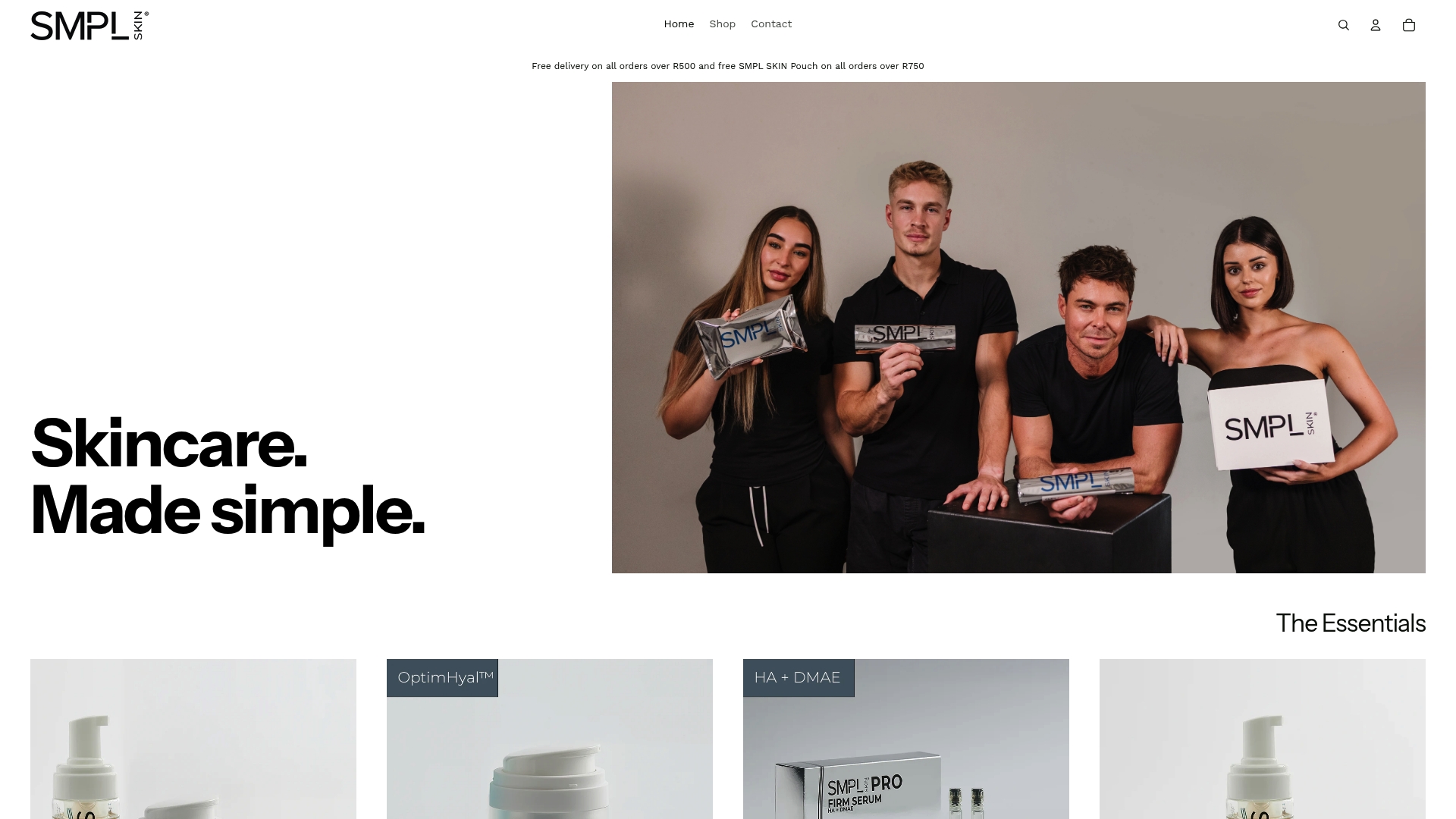
Start with our hydration-boosting starter duo, which pairs a gentle cleanser with an SPF moisturiser for a complete, fuss-free routine. Add our firming serum with hydration for a targeted boost, or explore our hydrating treatments for those days when your skin needs a little extra love. Simple products, real results, and a routine you will actually enjoy.
Frequently asked questions
What is the best ingredient for skin hydration?
Hyaluronic acid holds up to 1,000 times its weight in water, making it one of the most effective ingredients for attracting and retaining moisture in the skin. Glycerin is a close second and works well in combination with it.
How can I hydrate my skin naturally at home?
Use a gentle cleanser, apply a hydrating serum or gel, and seal everything in with a basic moisturiser. Avoid hot water and remember that over-exfoliation30045-0/fulltext) decreases hydration by up to 30%, so keep exfoliation to once or twice a week at most.
Does drinking water improve skin hydration?
Drinking water supports overall health and contributes to skin function, but topical products are essential for visible skin hydration. The skin barrier is key to maintaining hydration, and topical ingredients work directly at that level in a way that drinking water alone cannot.
How often should I use a hydrating mask?
Hydrating masks improve skin moisture after just one use, and using one one to two times per week is enough to maintain a visible boost in hydration and glow without overdoing it.