

You’ve tried the charcoal masks, the detox teas, the clay treatments promising to ‘pull toxins’ from your skin. Yet your complexion still looks dull, congested, or irritated. The frustrating truth is that most skin detox trends are built on shaky science. The skin does not detoxify toxins; that job belongs to your liver and kidneys. What your skin actually needs is a consistent, gentle routine that supports its natural function. This guide cuts through the noise and gives you a practical, evidence-based approach to healthier skin at home.
Table of Contents
- Understanding how the skin naturally protects itself
- What you really need for a healthy at-home skincare routine
- Step-by-step: Building your at-home routine for optimal skin health
- Troubleshooting: Common mistakes and sensitive skin solutions
- How to know your at-home skin routine is working
- Elevate your routine with gentle, effective skincare
- Frequently asked questions
Key Takeaways
| Point | Details |
|---|---|
| Skin doesn’t detox | The skin acts as a barrier, not a detox organ, so don’t rely on detox products. |
| Routine over trends | Sticking to a gentle, consistent routine supports healthy, glowing skin. |
| Watch for improvements | Measure real progress by looking for fewer breakouts and more even tone. |
| Gentle is best | Avoid harsh products and patch test new routines to prevent irritation. |
Understanding how the skin naturally protects itself
Your skin is your body’s largest organ, but its job is not to filter waste. The skin is a barrier, not a detox organ. It keeps harmful things out, regulates temperature, and prevents moisture loss. The real detox work happens inside your body, through your liver, kidneys, and lymphatic system.
Sweating does release trace minerals and a tiny amount of waste, but it is not a meaningful detox pathway. Topical products cannot pull toxins through your skin either. When a product claims to ‘detoxify’ your complexion, it is almost always referring to cleansing the surface, which is a very different thing.
Here is a quick comparison to clear up the most common myths:
| ‘Detox’ myth | Scientific reality |
|---|---|
| Sweating removes toxins from skin | Sweat is mostly water and salt, not a detox mechanism |
| Charcoal masks pull toxins from pores | They remove surface debris, not internal toxins |
| Skin absorbs and releases toxins | Skin blocks absorption; organs handle elimination |
| Detox supplements clear your complexion | No clinical evidence supports this claim |
| Clay draws out deep impurities | Clay absorbs surface oil, not systemic toxins |
“The skin acts as a protective shield. Supporting that shield with gentle cleansing and hydration is far more effective than any detox trend.”
What actually helps your skin look clearer is protecting and supporting that barrier. A SPF 15 daily moisturiser shields against UV damage, while a skin foam cleanser removes surface buildup without stripping your skin’s natural oils. These are the tools that make a real difference.
What you really need for a healthy at-home skincare routine
Forget the 12-step routines and the exotic ingredient lists. The foundation of healthy skin is surprisingly simple. Natural ingredients can support skin health, but none of them detoxify it in any clinical sense. What they can do is hydrate, soothe, and protect, and that is genuinely valuable.
Here is what a solid, no-nonsense routine actually requires:
| Essential | Why it matters |
|---|---|
| Gentle cleanser | Removes dirt, oil, and makeup without disrupting the skin barrier |
| Moisturiser with SPF | Hydrates and protects against UV-related damage daily |
| Weekly exfoliant | Removes dead skin cells to improve texture and product absorption |
| Adequate sleep | Skin repairs itself during deep sleep cycles |
| Water intake | Supports skin plumpness and reduces the appearance of fine lines |
Ingredients worth including in your routine:
- German Chamomile: Soothes redness and calms sensitive or reactive skin
- Cucumber Extract: Hydrates and cools, great for morning routines
- Hyaluronic Acid: Draws moisture into the skin for lasting hydration
- Niacinamide: Evens skin tone and minimises the appearance of pores
- Vitamin C: Brightens and supports collagen production
Ingredients and habits to avoid:
- Harsh physical scrubs used daily (they damage the skin barrier)
- Alcohol-heavy toners that strip natural oils
- Unverified ‘detox’ supplements with no clinical backing
- Mixing too many active ingredients at once
A gentle cleanser is the single most important product in your routine. Pair it with a cleanser and moisturiser duo to cover your two most critical steps in one go. If you want to target firmness or fine lines, a pro firm serum adds a targeted layer of support.
Pro Tip: Always patch-test any new product on a small area of your inner arm for 24 hours before applying it to your face. This is especially important for sensitive or reactive skin types.
Step-by-step: Building your at-home routine for optimal skin health
Consistency beats intensity every single time. Prioritise consistency in your skincare routine over trends for the best results. Here is a simple, repeatable structure that works:
- Cleanse (morning and evening): Use a gentle, pH-balanced cleanser to remove overnight sebum in the morning and the day’s buildup at night. Avoid hot water, which strips natural oils.
- Exfoliate (once or twice a week): A face scrub used weekly removes dead skin cells and helps your other products absorb better. Do not overdo it.
- Apply serum (evening): Serums with active ingredients like Vitamin C or peptides work best at night when your skin is in repair mode.
- Moisturise: Lock in hydration with a moisturiser suited to your skin type. Do not skip this step, even if your skin feels oily.
- Apply SPF (morning only): Sun protection is non-negotiable. UV exposure is one of the leading causes of premature skin ageing and uneven tone.
- Support from within: Whole-body health habits like quality sleep, a balanced diet, and staying hydrated visibly improve skin texture and radiance over time.
Studies show that even mild dehydration can make skin look dull and accentuate fine lines. Drinking enough water and using a hydrating moisturiser together creates a noticeable improvement in skin brightness within days.

Pro Tip: Introduce only one new product at a time, and wait at least two weeks before adding another. This makes it easy to identify what is working and what is causing a reaction.
Troubleshooting: Common mistakes and sensitive skin solutions
Even with the best intentions, it is easy to fall into habits that set your skin back. Here are the most common mistakes people make when starting a new routine:
- Over-exfoliating: Using a scrub or chemical exfoliant more than twice a week damages the skin barrier and causes redness and sensitivity
- Layering too many actives: Combining Vitamin C, retinol, and AHAs in the same routine can cause irritation and counteract each other’s benefits
- Skipping patch tests: Jumping straight to full-face application of a new product is a fast track to a reaction
- Expecting overnight results: Skin cell turnover takes about 28 days, so visible changes take time
- Abandoning a routine too soon: Most people quit before the four-week mark, which is when real improvements start showing
One thing that confuses many people is the difference between skin purging and irritation. Purging happens when an active ingredient (like a retinoid or AHA) speeds up cell turnover, temporarily bringing congestion to the surface. It usually clears within four to six weeks. True irritation, on the other hand, shows up as persistent redness, burning, or a rash, and means you should stop using that product.
For acne-prone skin, use gentle actives and expect temporary skin purging when starting new treatments. Harsh or aggressive approaches often make breakouts worse, not better.
A foaming moisturiser duo that combines cleansing and hydration in a gentle format is a smart choice for anyone dealing with sensitivity or breakouts. If your skin does not settle after six weeks of a consistent routine, it is worth consulting a dermatologist.
How to know your at-home skin routine is working
Results from a good skincare routine are not dramatic or instant. They are gradual, and knowing what to look for helps you stay the course. No robust benchmarks exist for skin ‘detox’, but real improvements in texture, hydration, and tone are measurable and visible.
| Timeframe | What to realistically expect |
|---|---|
| Week 1-2 | Skin feels cleaner, less congested; some purging possible |
| Week 3-4 | Improved hydration, reduced dullness, more even texture |
| Month 2-3 | Noticeable tone improvement, fewer breakouts, firmer feel |
| 6+ months | Long-term barrier strength, reduced sensitivity, lasting glow |
Signs your routine is genuinely working include: skin that feels comfortable (not tight or greasy) after cleansing, a reduction in redness or irritation, and a more even, brighter tone over time. If you are not seeing any of these after four weeks, it is time to reassess your products or routine order.
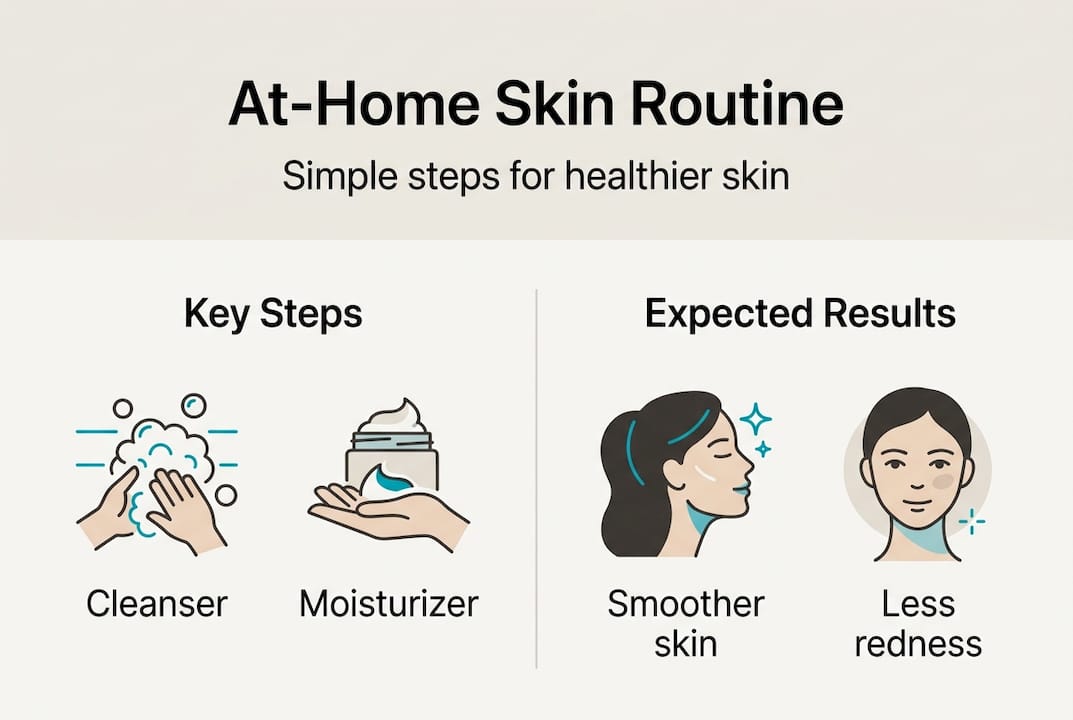
A pro hydro gel is an excellent way to boost hydration at any stage of your routine, particularly if your skin still feels tight or looks dull after moisturising. Adjust based on what your skin tells you, not what a trend tells you to do.
Elevate your routine with gentle, effective skincare
Building a routine that actually works starts with products you can trust. At SMPL SKIN, we have removed the guesswork by formulating gentle, effective products around ingredients like German Chamomile and Cucumber Extract that support your skin barrier rather than disrupt it.
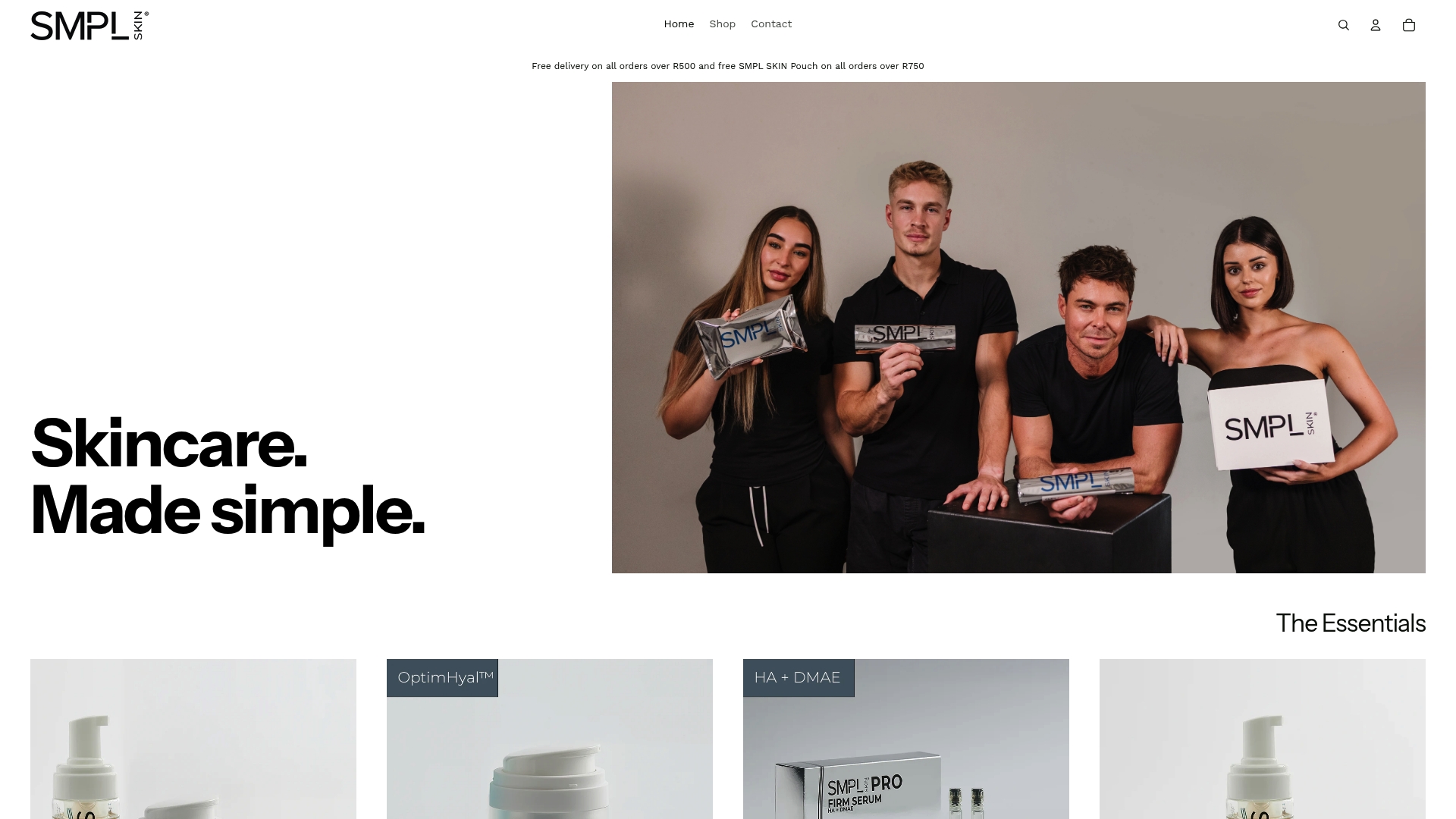
The gentle cleanser and moisturiser duo covers your two most essential daily steps in one simple bundle. Add the face scrub for your weekly exfoliation, and if you want targeted support for firmness and fine lines, the pro firm serum delivers high-performance results without unnecessary complexity. Simple routines, real results.
Frequently asked questions
Can I detoxify my skin with a mask or supplement?
Detox masks and supplements are not proven to detoxify the skin. They may cleanse the surface or support overall health, but true detoxification is handled internally by your organs.
What should I avoid in at-home detox routines?
Avoid harsh exfoliants, unproven charcoal masks, and crash detox trends. Harsh or unproven products can damage your skin barrier and cause more irritation than they resolve.
Does drinking more water help detoxify my skin?
Drinking water supports skin appearance and plumpness, but it does not detoxify your body through the skin. Detoxification is an internal process managed by your liver and kidneys.
How long until I see results from a new skincare routine?
With consistency, most people notice improved tone and hydration within 2 to 4 weeks. Deeper improvements in texture and firmness take closer to two to three months.