

TL;DR:
- Proper skin prep is essential for makeup durability, with a gentle cleanser, serum, moisturizer, SPF, and optional primer forming the foundation. Following a specific order and waiting appropriate times between steps enhances product absorption and prevents pilling, regardless of skin type. Prioritizing hydration and protection with consistent routines ensures a smooth, long-lasting makeup finish.
You’ve spent time blending the perfect foundation shade, yet by midday your skin looks cakey, your makeup has separated, and everything just feels off. The problem usually isn’t your makeup. It’s the prep that came before it. A well-executed skincare routine before makeup is the single biggest difference between a finish that lasts all day and one that falls apart before lunch. We’re here to walk you through every step clearly, simply, and effectively so your skin does the heavy lifting.
Table of Contents
- What you need: skin prep essentials before makeup
- Step-by-step skin prep: the ultimate routine for a smooth base
- Adapting your prep for different skin types and needs
- Primer: when you need it and how to use it right
- The truth about skin prep: what really matters for makeup-ready skin
- Upgrade your makeup prep with smarter skincare
- Frequently asked questions
Key Takeaways
| Point | Details |
|---|---|
| Hydration is crucial | Proper moisture keeps every skin type balanced and prepares a smooth canvas for makeup. |
| Step order matters | Layering products in the right sequence maximizes effectiveness and prevents makeup issues. |
| Primer is optional | A good skincare routine can make makeup last, so primer is useful but not always necessary. |
| Adapt to your skin | Customizing prep for your skin type and daily conditions yields better, longer-lasting makeup results. |
What you need: skin prep essentials before makeup
Now that you’re committed to upgrading your makeup results, let’s make sure you have the right skin prep tools on hand. Having the correct products lined up before you start saves time and prevents skin stress.
Here are the core categories you’ll want to consider:
- Gentle cleanser: Removes overnight oil, sweat, and environmental residue without stripping your skin barrier.
- Exfoliator (optional): Used two to three times per week to smooth texture and clear away dead skin cells.
- Toner or facial mist: Rebalances skin pH and adds an initial layer of hydration.
- Hydrating serum: Delivers active ingredients like hyaluronic acid or vitamin C deeper into the skin for visible glow and plumpness.
- Moisturiser: Locks in hydration and creates a smooth, even surface for everything that follows.
- SPF: Non-negotiable during daytime routines. Protects skin while also creating a protective layer.
- Primer (optional): Extends makeup wear, controls oil, and can minimise the look of pores.
A note on hygiene: always apply products with clean hands or freshly washed applicators. Contaminating your serums or moisturiser with bacteria from an unwashed brush is a fast track to breakouts, which defeats the whole purpose of prepping skin well. You can find guidance on building your kit in our overview of essential skincare tools.
| Product | Main benefit | Skip if… |
|---|---|---|
| Cleanser | Clears impurities | You cleansed the night before (AM rinse is fine) |
| Exfoliator | Smooths texture | You have active irritation or broken skin |
| Toner/mist | Balances and hydrates | Your serum already covers hydration |
| Serum | Targeted treatment | You’re short on time (use moisturiser only) |
| Moisturiser | Hydrates and plumps | Never skip this |
| SPF | UV protection | Evening routines only |
| Primer | Extends wear, controls oil | Skin is well-hydrated and makeup naturally lasts |
The standard step-by-step prep order is: cleanse, exfoliate optionally, tone, serum, moisturise, SPF for daytime, and then primer as desired. Keep this sequence visible while you build the habit.
Step-by-step skin prep: the ultimate routine for a smooth base
Once your essentials are ready, it’s time to follow a streamlined, step-by-step approach for the best results. Order matters more than most people realise.
Step 1: Cleanse Start with a gentle, low-pH cleanser to remove everything your skin accumulated overnight or throughout the day. Avoid foaming cleansers with sulphates if your skin leans dry or sensitive. For detailed cleansing steps, we’ve covered the technique in full. The goal here is clean, calm skin, not squeaky tightness.
Step 2: Exfoliate (two to three times per week) Use a gentle chemical exfoliant such as a low-concentration lactic acid or polyhydroxy acid on non-daily exfoliation days. Avoid harsh physical scrubs before makeup because micro-tears in skin can cause irritation and uneven foundation application.
Step 3: Tone or mist A hydrating toner or facial mist should go on immediately after cleansing, while skin is still slightly damp. This helps maximise absorption of what comes next and begins layering hydration from the first step.
Step 4: Apply serum Serums deliver the most concentrated actives directly where your skin needs them. Hyaluronic acid adds immediate plumpness. Vitamin C delivers a luminous, even glow. Apply a few drops and press into skin rather than rubbing. Understanding the serum-before-moisturiser reasoning helps you see why sequence is not optional.
Step 5: Moisturise Dermatologist consensus confirms the cleanse-moisturise-SPF order as critical for results, with actives applied before moisturiser but never immediately before makeup. Allow your moisturiser to absorb for at least two to three minutes. This creates the plump, smooth canvas that makes foundation sit evenly.
Step 6: Apply SPF (daytime only) Apply a broad-spectrum SPF 30 or higher as the final skincare step in the morning. This protects your skin and also provides a slightly smoother finish. Wait a full minute before moving to primer or foundation.
Step 7: Primer (optional) Primer fills pores, controls oil and shine, and extends makeup wear. Wait one to five minutes after your moisturiser or SPF dries before applying primer to prevent pilling. Match your primer base to your foundation formula, which means silicone primer pairs with silicone-based foundation, water-based with water-based.
Pro Tip: Set a one-minute timer after each layer during morning prep. It sounds tedious but it trains you out of rushing and virtually eliminates pilling and product separation.
| Step | Product | Wait time before next step |
|---|---|---|
| 1 | Cleanser | 30 seconds (pat dry) |
| 2 | Exfoliator (optional) | 1 minute |
| 3 | Toner/mist | 30 to 60 seconds |
| 4 | Serum | 1 to 2 minutes |
| 5 | Moisturiser | 2 to 3 minutes |
| 6 | SPF | 1 to 2 minutes |
| 7 | Primer (optional) | 1 to 2 minutes |
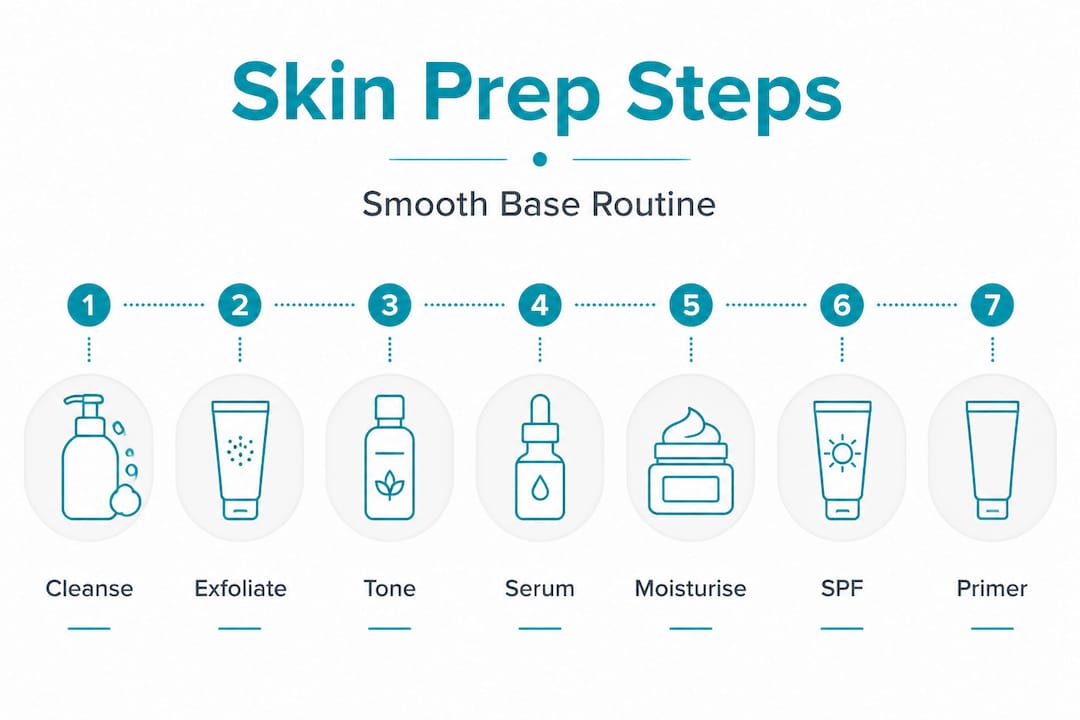
Following structured skincare routine tips consistently makes each step feel automatic within two weeks.
Adapting your prep for different skin types and needs
Every skin type has its quirks, so let’s personalise your prep for your needs. Using the wrong product for your skin type is a common reason makeup doesn’t cooperate.
Oily skin Oily skin needs lightweight gel moisturiser and a mattifying primer focused on the T-zone (forehead, nose, and chin). Avoid heavy facial oils before makeup. Niacinamide serums work well to regulate sebum without dehydrating. Skip heavy creams, which tend to slide off oily skin and cause makeup to break down by midday.
Dry skin Dry skin benefits from a rich cream moisturiser and a hydrating primer to replace any extra moisture lost to environmental factors. Layer an extra pump of serum, especially hyaluronic acid, before your moisturiser. Avoid mattifying primers, which pull moisture away and emphasise flakiness under foundation.
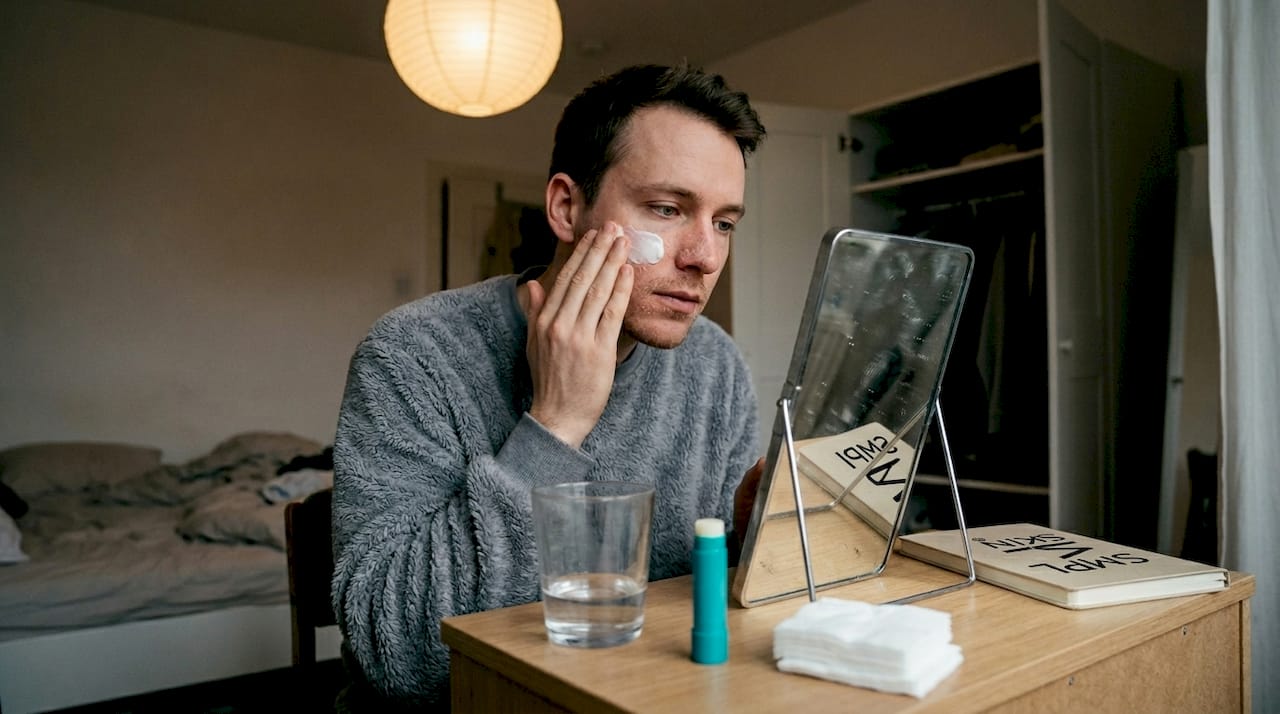
Sensitive skin Sensitive skin thrives on fragrance-free formulas with barrier-supporting ingredients like ceramides and bisabolol. Patch test any new product at least 24 hours before using it in your full prep routine. Avoid anything with alcohol high on the ingredient list, strong acids before makeup days, or strong fragrance blends.
Combination skin Combination skin requires balance. Use an oil-control product on the T-zone and a slightly richer hydrator on drier cheek areas. A light hydrating serum across the whole face followed by a medium-weight moisturiser usually manages both zones without overcorrecting either.
The key insight that many people miss: hydration matters for every skin type, including oily skin. When oily skin is dehydrated, it produces even more oil to compensate. Keeping it well-hydrated with the right lightweight products actually reduces that rebound oil effect over time.
- Oily skin: Gel cleanser, niacinamide serum, oil-free moisturiser, mattifying primer
- Dry skin: Cream cleanser, hyaluronic acid serum, rich moisturiser, hydrating primer
- Sensitive skin: Fragrance-free everything, ceramide moisturiser, no heavy actives before makeup
- Combination: Balancing toner, lightweight serum, medium moisturiser, zone-specific primer
Pro Tip: If your skin is boosting hydration but still feels tight or dull, your routine may be missing a well-formulated serum. Serums absorb faster and go deeper than moisturisers alone. Try adding one before you switch out other products. Our guide on a simple routine for healthy skin breaks this down further.
Primer: when you need it and how to use it right
Primer is often seen as a magic fix, but let’s explore its real value and when to use it.
Here’s a simple truth: primer is a tool, not a requirement. Knowing when it actually helps you is more useful than applying it blindly every day.
“A good moisturiser, when given time to fully absorb, can create a smooth enough base that primer becomes optional. Primer enhances but does not replace a well-prepped skin canvas.” This is the consensus from both dermatologists and professional makeup artists.
What primer actually does Primer creates a physical barrier between your skin and your makeup. It smooths out minor texture, helps fill the look of larger pores temporarily, controls oil for longer-lasting wear, and in some cases adds a subtle radiance or colour correction. Some primers also help makeup grip to skin better in humid climates. South African summers, in particular, can shorten how long any makeup stays put.
When primer is optional According to balanced expert views, primer isn’t always needed if your skincare routine leaves your skin smooth, hydrated, and well-prepped. If your foundation sits well and lasts a reasonable amount of time already, primer may simply be an extra step that adds product weight without meaningful benefit.
Tips for avoiding pilling with primer
- Always wait for moisturiser and SPF to fully dry before applying primer.
- Use a pea-sized amount and press it in with your fingertips rather than swiping.
- Match your primer formula to your foundation formula to avoid separation.
- Avoid layering multiple silicone-heavy products because they repel each other.
For a deeper understanding of why layering skincare correctly matters at every stage, it helps to think of each product as a step on a ladder. Skip or reverse one and the whole structure gets unstable.
Who benefits most from primer People with oily skin who struggle with shine by midday, those with large pores who want a smoother photograph-ready finish, anyone wearing makeup for long events like weddings or full-day work commitments, and those using a matte or full-coverage foundation that benefits from extra grip will all see the most value from a well-matched primer.
The truth about skin prep: what really matters for makeup-ready skin
Having covered every technical step, here’s what skin science and real-world experience actually recommend, and it might surprise you.
We live in an era where skincare content overcomplicates everything. A new serum launches weekly. Influencers layer seven products before 8am. It feels like more steps equals better skin. But in our experience working in skincare formulation and education, the opposite is often true.
Skin that is consistently hydrated, cleansed gently, and protected with SPF will almost always outperform skin that is over-exfoliated, product-saturated, and reactive. Makeup applies better on calm, nourished skin than on skin that has been pushed through too many active ingredients right before application.
The minimalism principle is real. Two to four well-chosen products used consistently will deliver better results than ten products used inconsistently or incorrectly. When we talk to people whose makeup never looks right, it usually comes back to rushing, skipping moisturiser, or using the wrong cleanser that strips skin. The barrier (the outer layer that keeps hydration in and irritants out) gets disrupted, and makeup sits on top of compromised skin.
Here is the honest priority list: hydration first, protection second, treatment third. If you only have time for two steps before makeup, make them a gentle cleanser and a good moisturiser. Everything else, including serums, exfoliation, and primer, builds on that foundation. Our simple hydration strategies page outlines where to start if you’re rebuilding from scratch.
Stop chasing trends and start prioritising consistency. The skin that holds makeup beautifully is not the skin that gets the most products. It’s the skin that gets the right products, every single day, in the right order.
Upgrade your makeup prep with smarter skincare
Ready to simplify your routine without sacrificing results? We’ve designed everything at SMPL SKIN around exactly this kind of effective, no-fuss approach.
At SMPL SKIN, our formulations are built around ingredients like German Chamomile and Cucumber Extract, which calm, hydrate, and support your skin barrier without unnecessary complexity. Our gentle cleansers prepare skin without stripping it, and our moisturiser and SPF offerings give you protective hydration in the fewest possible steps. Whether you’re building a routine from scratch or refining what you already have, we’ve curated product collections that make makeup prep feel effortless and intentional. Browse our full range at smplskin.co.za and find your ideal starting point today.
Frequently asked questions
What is the correct order for skin prep before makeup?
The correct prep order is: cleanse, exfoliate if needed, tone, serum, moisturise, apply SPF during the day, and use primer as a finishing optional step. Each layer should absorb before the next is applied.
Can I skip primer if I have well-moisturised skin?
Yes. Many skin experts confirm that primer is optional when your moisturiser has fully absorbed and leaves your skin feeling smooth. A good skincare base often removes the need for primer entirely.
How can I prevent my makeup from caking or pilling?
Wait one to five minutes between each skincare layer and ensure your moisturiser and SPF are fully dry before applying primer or foundation. Product layering compatibility matters just as much as timing.
What kind of moisturiser should I use for oily or dry skin before makeup?
Oily skin benefits from a lightweight gel formula with a mattifying primer, while dry skin does best with a rich cream moisturiser paired with a hydrating primer for an extra layer of comfort and smoothness.
Recommended
- How to achieve healthy skin with a simple routine – SMPL SKIN South Africa
- Skincare routine tips: 4 steps to a daily glow – SMPL SKIN South Africa
- Step-by-step facial cleansing for healthy, glowing skin – SMPL SKIN South Africa
- Morning skincare routine: 4 steps for maximum hydration – SMPL SKIN South Africa
- 7 evidence-backed steps for glowing skin over 40