

TL;DR:
- Effective skin hydration depends on understanding water content and barrier health, not product quantity.
- A simple four-step routine with gentle cleansing, humectants, ceramides, and SPF optimizes hydration.
- Internal habits like proper water intake, omega-3s, antioxidants, and humidity support external skincare.
Skin hydration advice is everywhere, and most of it contradicts itself. Drink more water. Use a serum. Skip the moisturiser. Layer five products. It’s exhausting. Here’s the truth: getting well-hydrated, healthy skin doesn’t require a 12-step routine or a cabinet full of products. It requires understanding what your skin actually needs and acting on that knowledge consistently. In this article, we break down what hydration really means, how to build a simple routine that works, and what internal habits support your skin from the inside out.
Table of Contents
- Understanding skin hydration: What really matters
- The minimalist skincare routine: Steps for maximum hydration
- Internal hydration: Diet, water, and healthy habits
- Special cases: Adapting hydration methods for every skin type
- Professional hydration treatments vs home care: What’s worth it?
- Our take: Why minimalism really is the hydration secret weapon
- Ready to transform your routine? Discover easy hydration solutions
- Frequently asked questions
Key Takeaways
| Point | Details |
|---|---|
| Hydration vs. moisture | Water and oil serve different roles for the skin barrier and both need care. |
| Minimalist routines work | A few targeted steps can hydrate and protect better than complex regimens. |
| Inside-out matters | Hydration comes from water, diet, and smart product use together. |
| Adapt for your skin | Tailor hydration techniques by skin type, season, and age for the best results. |
| Consistency beats novelty | Sticking with simple, proven routines delivers lasting skin health and glow. |
Understanding skin hydration: What really matters
Before you buy another product, it helps to understand what’s actually happening in your skin. There’s a meaningful difference between hydration and moisture, and confusing the two leads to wasted money and frustrated skin.
Skin hydration refers to water content in skin cells, while moisture refers to the oils that seal that water in. Both are essential for a healthy skin barrier. Without water, skin looks dull and feels tight. Without oil, water escapes too quickly through a process called transepidermal water loss (TEWL), leaving skin dry and compromised.
Here’s a simple comparison to keep in mind:
| Term | What it means | Key ingredients |
|---|---|---|
| Hydration | Water content in skin cells | Hyaluronic acid, glycerin, aloe vera |
| Moisture | Oils that seal water into skin | Ceramides, squalane, shea butter |
| Barrier health | Combined function of both | Niacinamide, fatty acids, peptides |
The skin barrier is your body’s first line of defence. When it’s strong, it keeps irritants out and moisture in. When it’s compromised, skin becomes reactive, dry, and prone to breakouts. Understanding occlusive skincare explained is key to keeping that barrier intact.
Minimalist routines support barrier health because they reduce the number of potential irritants your skin encounters. Fewer products mean fewer ingredients that could trigger a reaction. It’s not about using less for the sake of it. It’s about using what works.
Benefits of a minimalist approach:
- Fewer ingredients touching your skin daily
- Lower risk of product-induced reactions
- Easier to identify what’s working (or not)
- Better adherence over time
“Keeping your routine simple isn’t a compromise. It’s often the smartest move you can make for your skin.”
The minimalist skincare routine: Steps for maximum hydration
With that foundation, you can now build a simple routine that delivers powerful hydration. You don’t need ten steps. You need four, done consistently.
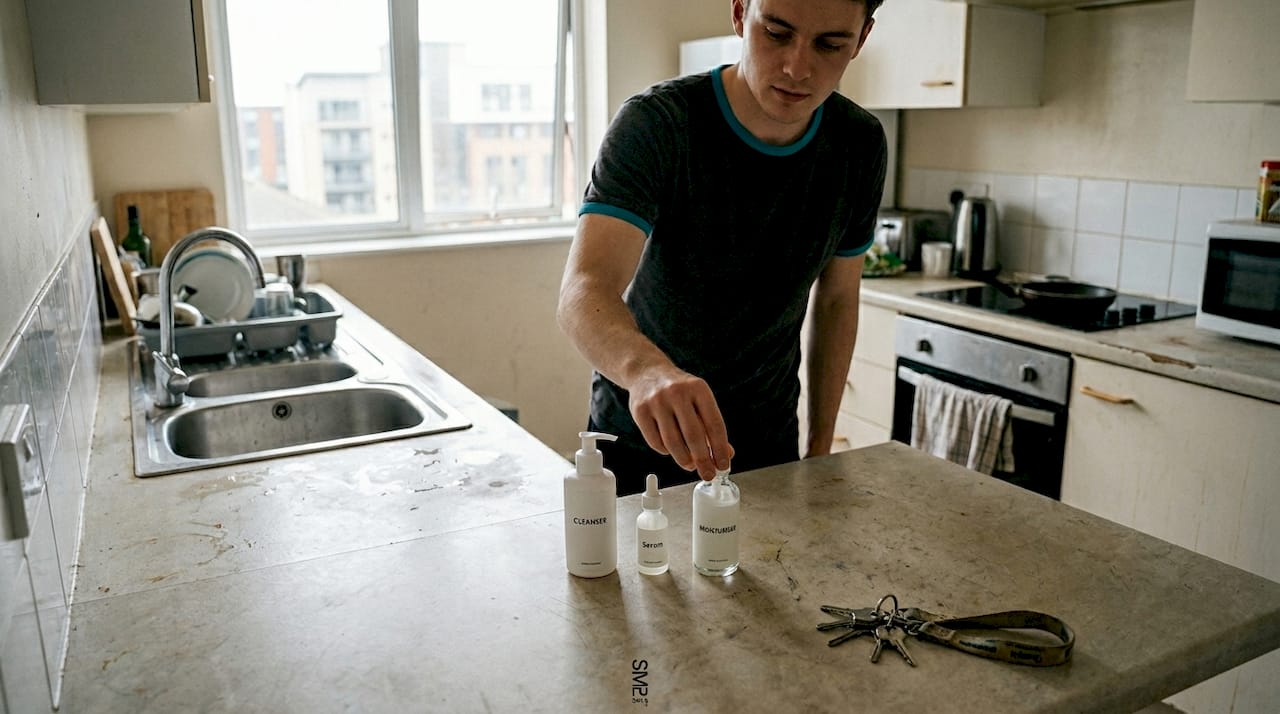
A simple skincare routine for hydration follows this order: gentle cream cleanser, humectant serum applied to damp skin, ceramide-rich moisturiser, and SPF in the morning. Each step serves a specific purpose and nothing is redundant.
Your four-step hydration routine:
- Cleanse gently. Use a cream or gel cleanser that doesn’t strip the skin. Avoid hot water, which breaks down the skin’s natural oils. Lukewarm water is ideal. This sets the stage for everything that follows.
- Apply a humectant serum on damp skin. This is the most overlooked tip. When skin is slightly damp, humectants like hyaluronic acid draw moisture from the surrounding environment into the skin more effectively. Pat your face dry lightly, then apply immediately.
- Seal with a ceramide moisturiser. Ceramides are lipids (fats) that naturally exist in the skin barrier. A good moisturiser replenishes them and locks your humectant layer in place. Check out our guide on layering skincare products for the full breakdown.
- Use SPF every morning. UV exposure accelerates TEWL and damages the barrier over time. A broad-spectrum SPF 30 or higher is non-negotiable. Winter skincare science confirms this step matters even on overcast days.
Pro Tip: Avoid exfoliating more than twice a week. Over-exfoliation removes the protective top layer of skin and worsens TEWL, undoing your hydration work.
“The best skincare routine is the one you actually follow. Simple and consistent beats elaborate and abandoned every time.”
For a step-by-step morning guide, see our 4-step hydration routine built for real people with real schedules.
Internal hydration: Diet, water, and healthy habits
Hydration comes from the outside and inside, so how do habits and nutrition play into skin health? The answer is more nuanced than “just drink more water.”
Drinking 2L of water daily for 30 days has been shown to improve both superficial and deep skin hydration. That’s meaningful. But water alone won’t fix a damaged skin barrier or replace the need for topical care.
| Habit | Impact on skin | Recommended level |
|---|---|---|
| Water intake | Improves cellular hydration | 1.5 to 2L per day |
| Omega-3 fatty acids | Supports barrier lipid structure | Oily fish 2x per week or supplement |
| Antioxidants (vitamins C and E) | Reduces oxidative skin damage | Daily through food or supplements |
| Humidifier use | Slows indoor moisture loss | 30 to 50% indoor humidity |
Diet plays a bigger role than most people realise. Omega-3 fatty acids found in salmon, flaxseed, and walnuts support the lipid (fat) layer of your skin barrier. Antioxidants protect skin cells from environmental stress. Collagen-rich foods and supplements may help with elasticity and water retention, especially as you age. For a broader picture, explore diet and hydration science-backed research.
Lifestyle habits that support skin hydration:
- Keep indoor humidity between 30 and 50% using a humidifier
- Shorten showers and use cooler water to reduce barrier disruption
- Limit alcohol and caffeine, which are mildly dehydrating
- Prioritise sleep, during which skin repair and hydration regulation peak
Pro Tip: Your skin loses moisture overnight. Apply a slightly richer moisturiser before bed and consider a humidifier in your room during dry winter months.
For a full list of effective strategies, check out our article on ways to boost skin hydration and our guide to holistic hydration routines.
Special cases: Adapting hydration methods for every skin type
Different skin types and life stages demand a tailored hydration approach. What works for a 25-year-old with oily skin won’t work for a 55-year-old dealing with dryness and sensitivity.
Aging skin loses ceramides at a significant rate, with levels dropping by around 40% by age 60. This increases TEWL and makes skin feel persistently dry. Richer creams with ceramides, peptides, and fatty acids become increasingly important with age.
Tailoring your hydration approach:
- Oily or acne-prone skin: You still need hydration. Skip heavy creams and opt for lightweight, water-based, non-comedogenic (won’t clog pores) gels or serums. Hyaluronic acid is your best friend here.
- Dry or sensitive skin: Lean into occlusives and ceramide moisturisers. Apply on slightly damp skin and consider a facial oil as a final seal.
- Mature skin: Prioritise barrier repair. Look for niacinamide, peptides, and ceramides. Richer night creams make a real difference.
- Cold weather or low humidity environments: Increase occlusive use and switch to cream cleansers that don’t strip the skin.
Pro Tip: If your skin feels tight within 20 minutes of cleansing, your cleanser may be too harsh. Switch to something gentler before adding more products.
For skin type-specific guidance, explore our guides on men’s skincare for hydration and how to build a healthy hydration regimen for your lifestyle. And if dryness is severe or unexplained, dermatologist advice for dryness from a specialist is always a smart move.
Professional hydration treatments vs home care: What’s worth it?
Even with a great home routine, many wonder whether splurging on professional treatments is truly necessary. For most people, the honest answer is no.
Professional treatments like HydraFacials or prescription-grade retinoids have their place, particularly for severe skin dryness cases or conditions like eczema. But for the average person seeking well-hydrated, healthy skin, a consistent minimalist home routine achieves comparable results at a fraction of the cost.
| Treatment type | Best for | Cost consideration |
|---|---|---|
| HydraFacial | Congestion, uneven texture | High, needs repeat sessions |
| Prescription topicals | Severe dryness or conditions | Requires dermatologist visit |
| Minimalist home routine | General hydration and maintenance | Low, highly sustainable |
| Professional peels | Dead skin buildup, brightening | Medium, some downtime |
A minimal skincare study confirms that simplified routines can match or outperform complex ones for hydration outcomes in most people, with the added benefit of fewer side effects.
When professional treatment is worth it:
- Persistent dryness that doesn’t respond to topical care after 6 to 8 weeks
- Skin conditions like eczema, psoriasis, or rosacea that need prescription management
- Significant textural concerns or skin damage from sun exposure
Building the right routine is often more valuable than any single treatment. See our guide to choosing skincare products and our expert-backed skin routine for a structured starting point.
“Most people don’t have a product problem. They have a consistency problem.”
Our take: Why minimalism really is the hydration secret weapon
We’ve seen it time and again. Someone struggling with dryness or irritation swaps a ten-product routine for a focused four-step one, and their skin transforms. Not because the new products are magic. Because their skin finally got a chance to breathe.
The skincare industry benefits from selling complexity. More products, more steps, more spend. But the science of simple routines consistently shows that fewer, well-chosen products maintain the barrier better than many layers of active ingredients fighting each other.
Hydration isn’t about how many products you apply. It’s about how well you protect what your skin is already doing. A strong barrier retains water naturally. Your job is to support it, not override it. More often than not, stripping the skin with too many actives is the very reason people feel they need more products in the first place. That cycle is worth breaking.
We believe consistent, simple care beats complicated routines every single time. And the data agrees.
Ready to transform your routine? Discover easy hydration solutions
If you’re ready to simplify and amplify your approach, here are proven hydration essentials designed for results. We’ve built our products around the minimalist principles covered in this article: effective ingredients, no unnecessary fillers, and routines that actually fit into your life.
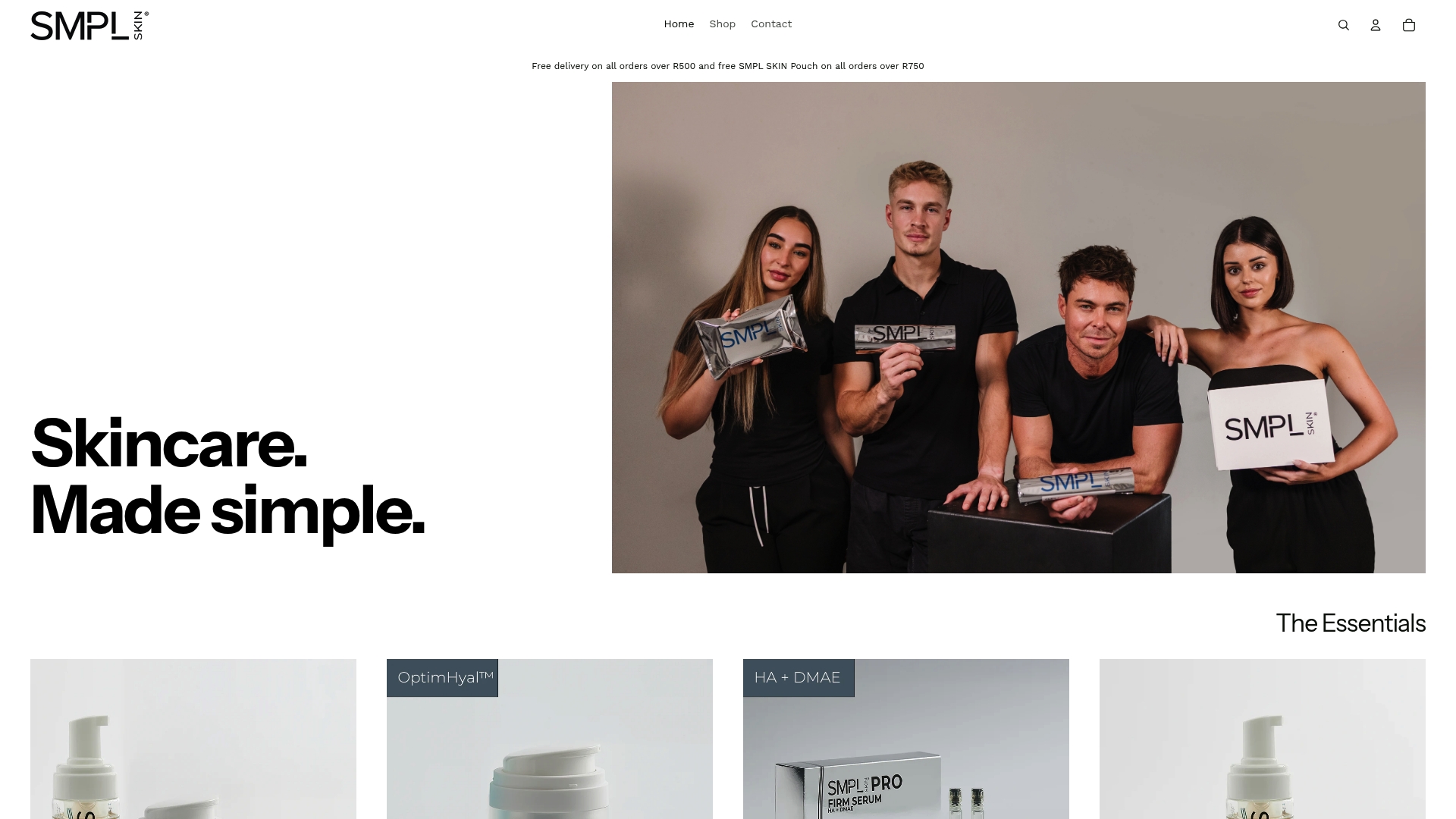
Our cleanser and moisturiser duo is the perfect starting point for anyone building a hydration-first routine. And if you’re looking to add targeted treatment, our firm serum and hydro gel combo delivers professional-grade results at home. Simple products. Real results.
Frequently asked questions
How can I tell if my skin is dehydrated or just dry?
Dehydrated skin lacks water and often feels tight or looks dull, while dry skin lacks oil and tends to feel rough or flaky. Dehydration can affect any skin type, including oily skin.
Is drinking more water enough for glowing, hydrated skin?
Water is important but not sufficient on its own. Topical humectants and lifestyle habits are equally critical for maintaining well-hydrated, radiant skin.
How do I lock in hydration after applying serum or moisturiser?
Apply your humectant serum on damp skin and seal it immediately with a ceramide-rich or occlusive moisturiser to prevent water from evaporating.
Can people with oily or acne-prone skin follow these minimalist hydration tips?
Absolutely. People with oily skin use lightweight non-comedogenic formulas like water-based gels or serums, avoiding heavy creams that can clog pores.
When should I see a dermatologist for my skin hydration issues?
If dryness is persistent or severe after 6 to 8 weeks of consistent care, consult a dermatologist. Barrier loss and dryness can signal early skin aging that needs targeted treatment.
Recommended
- Morning skincare routine: 4 steps for maximum hydration – SMPL SKIN South Africa
- 10 simple ways to boost skin hydration for glowing skin – SMPL SKIN South Africa
- Build a healthy skin regimen: simple routines for hydration – SMPL SKIN South Africa
- How to layer skincare products for effective hydration – SMPL SKIN South Africa