

TL;DR:
- Skin hydration refers to water content inside skin cells, not just moisturising oils.
- Proper hydration strengthens the skin barrier, reducing sensitivity and improving overall appearance.
- Consistent gentle skincare and sealing in moisture are key to maintaining healthy, hydrated skin.
Your skin doesn’t send polite warnings before it starts struggling. One day it looks dull, tight, or suddenly sensitive, and you assume it’s a product reaction or just ‘aging.’ Here’s the truth: minor dehydration in the stratum corneum (your skin’s outermost layer) can trigger dullness, sensitivity, and rough texture, regardless of your skin type. This isn’t just a ‘dry skin problem.’ Every skin type, including oily and combination, depends on water content to function properly. This guide explains what skin hydration truly means, how it protects your barrier, what it looks like when it’s working, and simple ways to make it happen at home.
Table of Contents
- What does skin hydration really mean?
- How hydration protects the skin barrier
- Visible signs and everyday impact of hydrated skin
- Effective ways to increase skin hydration at home
- Why most people underestimate skin hydration’s impact
- Bring powerful hydration home with SMPL SKIN
- Frequently asked questions
Key Takeaways
| Point | Details |
|---|---|
| Hydration supports barrier | Well-hydrated skin maintains a strong barrier and looks healthier. |
| Dehydration affects everyone | Even oily skin can suffer from water loss and needs moisturizing habits. |
| Easy at-home hydration | Simple routines and the right ingredients improve skin hydration and appearance fast. |
| Hyaluronic acid is effective | Both topical and oral hyaluronic acid significantly boost skin hydration. |
What does skin hydration really mean?
Most people confuse hydration with moisturising. They aren’t the same thing. Moisturising refers to adding or sealing in oils and lipids. Hydration specifically means the water content sitting inside your skin cells, particularly in the stratum corneum. When this layer holds enough water, your skin looks and feels supple, smooth, and plump. When it doesn’t, problems start fast.
Your skin holds onto this water using two natural systems. The first is called natural moisturising factors (NMFs), a collection of water-attracting compounds like amino acids and urea that sit inside skin cells and pull water in from your environment. The second is a protective lipid layer made of ceramides, fatty acids, and cholesterol. Together, these keep your skin health explained in balance by trapping water inside and blocking irritants from getting in.
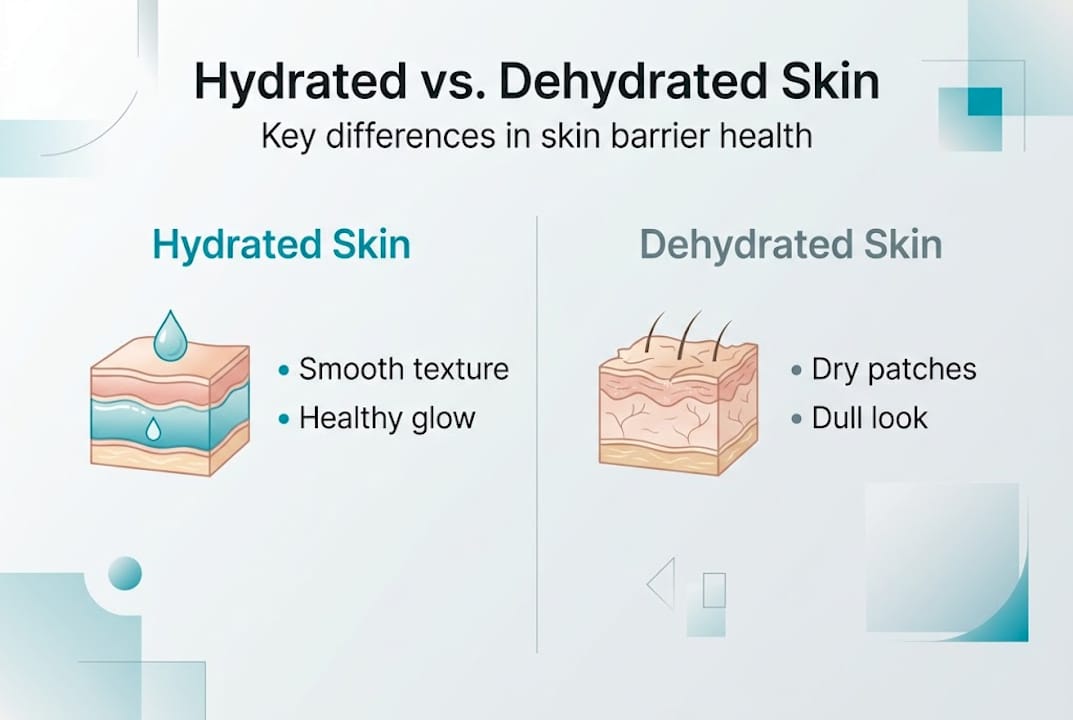
The skin barrier basics show that when hydration drops, this system starts failing. The lipid layer weakens, water escapes, and your skin becomes vulnerable. Redness, tightness, sensitivity, and flaking follow. That’s not a skin type issue. That’s a water balance issue.
Skin hydration supports the stratum corneum, the barrier layer essential for healthy skin appearance. This means getting your hydration right isn’t optional. It’s the foundation.
Water content and what it means for your skin:
| Water content level | What your skin feels and looks like |
|---|---|
| Optimal (above 30%) | Plump, elastic, smooth, even-toned |
| Mild dehydration (20-30%) | Slight tightness, minor dullness |
| Low (below 20%) | Rough, flaky, sensitive, visible fine lines |
Key things skin hydration affects:
- Texture: Well-hydrated skin feels smooth to the touch
- Elasticity: Water keeps skin flexible and resilient
- Barrier strength: Hydration supports lipid structure
- Tone: Dehydrated skin often appears uneven and dull
- Sensitivity: Low water content makes skin reactive more easily
How hydration protects the skin barrier
Now that you know what skin hydration means, let’s explore why it’s central to the barrier protecting your skin. The skin barrier is your body’s first line of defence. It keeps harmful bacteria, pollution, and irritants out while keeping moisture in. Water and lipids work together to make this possible.
When hydration levels drop, the lipid structure in the barrier literally starts to crack. Think of it like a brick wall where the mortar starts drying out. The bricks (your skin cells) are still there, but the gaps between them let things through that shouldn’t be getting in.
Insufficient hydration is directly linked to symptoms and worsened inflammatory skin conditions. This is why people dealing with eczema, rosacea, or chronic sensitivity often find that barrier-focused hydration care makes the biggest difference, sometimes more than targeted treatments.
“Water balance in the stratum corneum is not just about comfort. It’s a key driver of barrier integrity, inflammation control, and overall skin health.”
Signs that your barrier is struggling due to poor hydration:
- Persistent redness that doesn’t have a clear cause
- Skin that stings or reacts to products it used to tolerate
- Rough patches that return even after applying moisturiser
- Tightness, especially after cleansing
- Flaking that isn’t resolved by scrubbing
Hydrated vs. dehydrated barrier: a comparison
| Factor | Hydrated barrier | Dehydrated barrier |
|---|---|---|
| Water loss | Low (intact lipid layer) | High (lipid layer compromised) |
| Sensitivity | Minimal | Elevated |
| Appearance | Smooth, even | Rough, blotchy |
| Recovery speed | Fast | Slow |
Using occlusive skincare products like balms and thicker moisturisers helps seal water inside once you’ve put it there. Without that sealing step, even if you apply hydrating serums, water can still escape quickly through a weakened skin barrier function. It’s a two-step process. First hydrate, then seal.
Visible signs and everyday impact of hydrated skin
With the science covered, let’s connect hydration to visible and tangible results for your skin. The changes are real and noticeable, not just something you’ll see under a clinical light.
When your skin is properly hydrated, it reflects light better. That’s where the ‘glow’ actually comes from. It’s not magic. It’s physics. Smooth, plump skin scatters light evenly, creating that healthy, radiant look. Dehydrated skin, by contrast, has an uneven surface that scatters light inconsistently, making skin appear dull and tired.
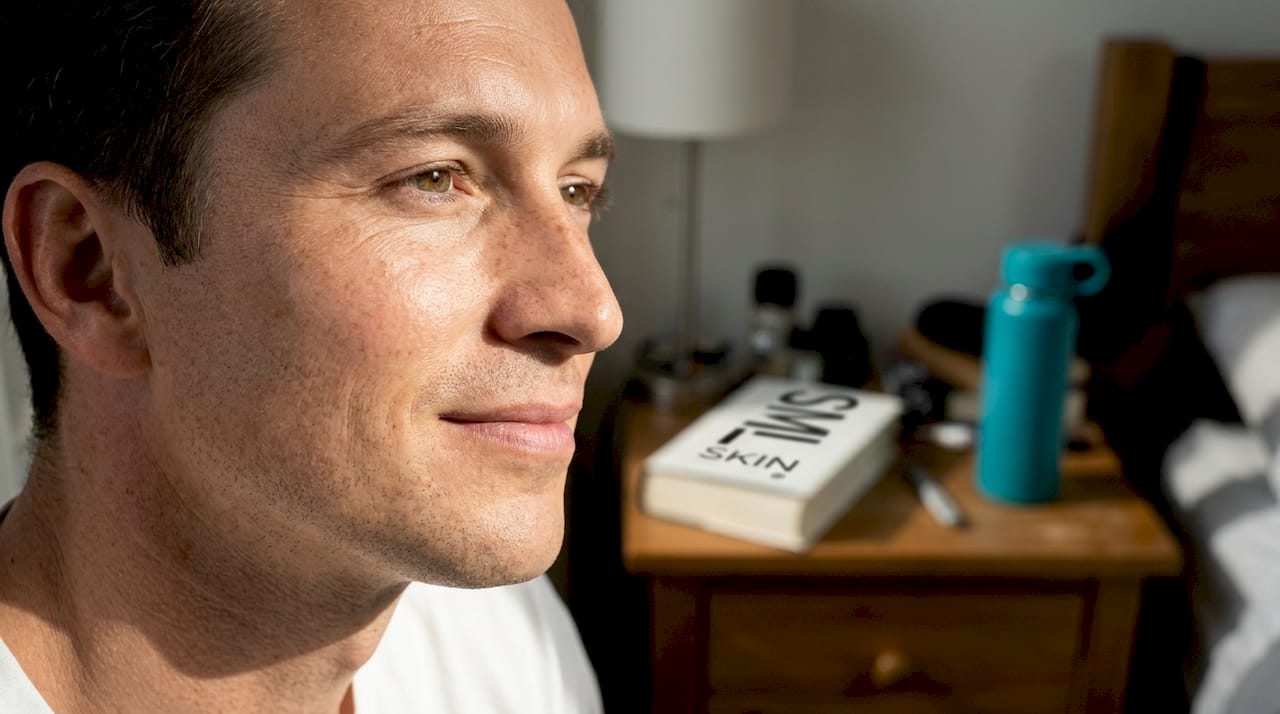
Improving hydration prevents and reduces common symptoms like roughness and enhances visible radiance and softness. This is why consistent hydration delivers results you can actually see in the mirror.
Signs of well-hydrated skin:
- Smooth texture that feels soft when touched
- A subtle natural radiance without needing highlighter
- Reduced visibility of fine lines
- Consistent skin tone without blotchy patches
- Comfortable skin throughout the day, no tightness
Signs of dehydrated skin:
- Tightness after cleansing or mid-afternoon
- Flaky patches, particularly around the nose, forehead, or chin
- Fine lines that look deeper than usual
- A dull, grey, or uneven complexion
- Skin that feels rough when you run your fingers across it
Pro Tip: If your skin feels oily but also looks dull and feels tight, that’s a classic sign of dehydration. Oily skin can absolutely be dehydrated. Sebum (oil) and water are different things.
Everyday factors drain skin water faster than you’d think. Cold or dry weather, air conditioning, over-cleansing, and even long hot showers all pull moisture out. Exploring ways to boost skin hydration can help you identify which habits are working against you. Your skin type also plays a role, and understanding hydration for your skin type helps you make smarter product choices. For those with sensitivity, check out hydration for sensitive skin for targeted guidance.
Transepidermal water loss (TEWL), the rate at which water evaporates from the skin’s surface, is measurably reduced when hydration is well managed. Lower TEWL means your skin is holding more of the water it needs.
Effective ways to increase skin hydration at home
Understanding the visible results leads to the practical question: how can you boost hydration simply and effectively at home? The good news is you don’t need an elaborate routine or expensive tools. You need the right steps, done consistently.
A simple daily hydration routine:
- Cleanse gently using a mild, sulphate-free cleanser that doesn’t strip the skin. Harsh cleansers are one of the fastest ways to deplete water content.
- Apply a water-based serum or essence while your skin is still slightly damp. Damp skin absorbs hydrating ingredients more effectively.
- Layer a hydrating moisturiser on top to reinforce the water you’ve just added.
- Seal with an occlusive or richer moisturiser in the evening to prevent overnight water loss.
- Use SPF in the morning. Sun exposure accelerates water loss and barrier damage.
Pro Tip: Apply your hydrating serum or toner while your skin is still damp from cleansing. This one habit significantly improves how much moisture your skin actually absorbs.
Oral sodium hyaluronate measurably increases hydration and elasticity while reducing water loss. So if you want to go beyond topical care, hyaluronic acid supplements are worth considering.
Hyaluronic acid (HA) is the star ingredient for topical hydration. It holds up to 1,000 times its weight in water and draws moisture into skin cells. It works best when layered correctly. Learn how to layer skincare for hydration to get the full benefit from every product you use.
What to avoid if you want to keep skin hydrated:
- Hot water for cleansing or showering
- Alcohol-based toners and astringents
- Over-exfoliating, which strips the barrier
- Skipping moisturiser because your skin ‘feels oily’
- Ignoring SPF, which allows UV to damage the barrier
Building a morning hydration routine around these principles doesn’t take long. Five minutes in the morning and five at night is genuinely enough. For a broader approach, building a healthy skin regimen with hydration at its core will address more skin concerns than chasing trending ingredients ever will.
Why most people underestimate skin hydration’s impact
Here’s something we see often: someone spends money on a retinol, a brightening serum, or an anti-redness treatment. The results are disappointing. They blame the product. But when we go back to basics and fix their hydration first, those same products suddenly work better. Sometimes the skin concern they were treating disappears on its own.
People blame product reactions or aging when the real issue is often basic water deficiency. A dehydrated barrier is an irritated barrier. Throw active ingredients at irritated skin and you get more irritation, not results.
We believe focusing on hydration basics before anything else is the single most underrated move in skincare. Consistent hydration care improves nearly any complexion issue because it repairs the foundation everything else builds on. Simple, professional-grade routines rarely fail when hydration comes first. Basic habits beat trendy products. Every single time.
Bring powerful hydration home with SMPL SKIN
If you’re ready to put what you’ve learned into practice, we’ve made it simple. Our products are built around barrier-friendly, hydration-first formulas that fit into a real routine without fuss or guesswork.
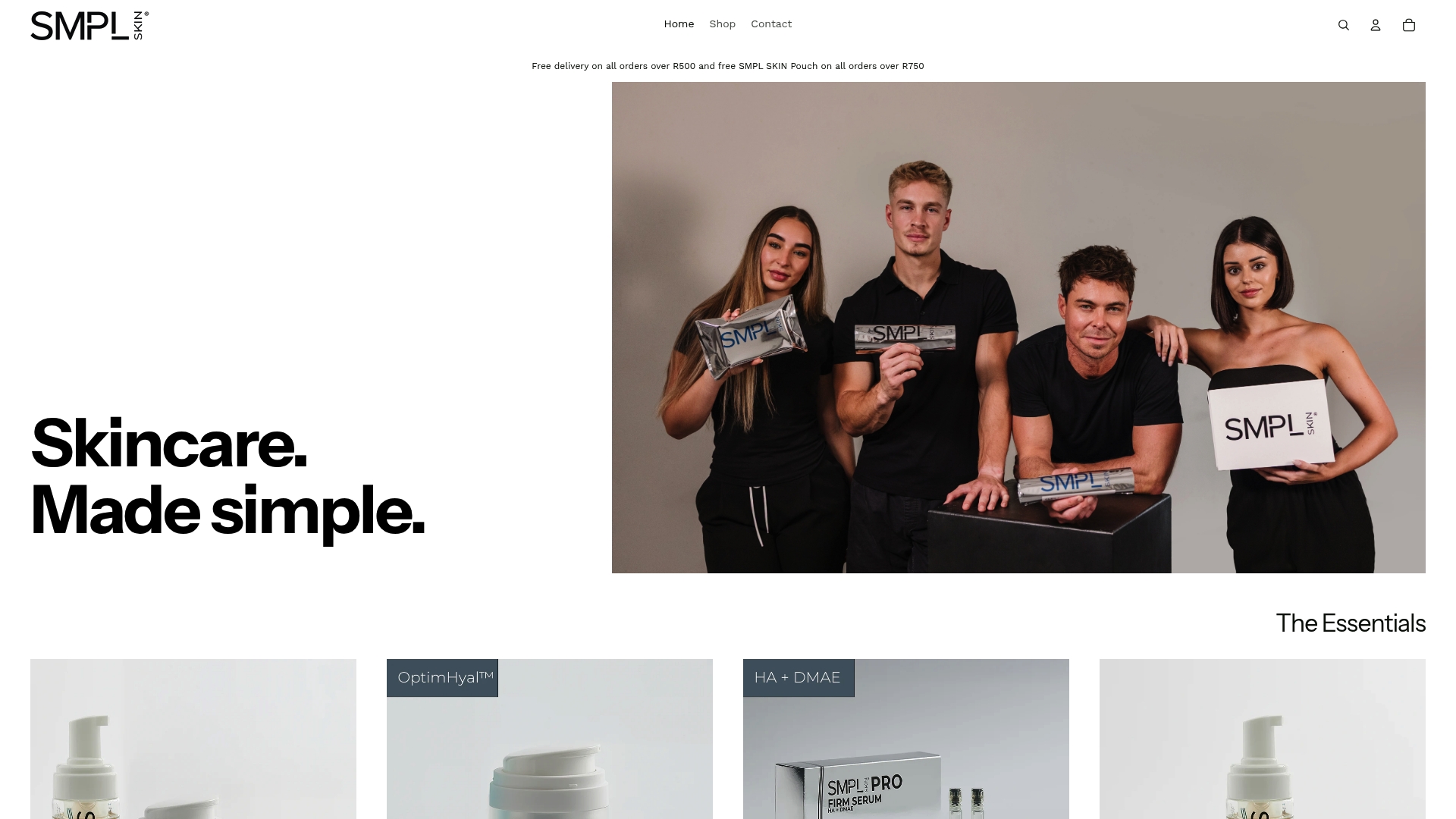
Our SPF 15 Daily Moisturiser seals in hydration and protects your barrier every morning in one step. If you want to start with everything you need, the Cleanser & Moisturiser Duo gives you a gentle cleanse and barrier-protecting moisture in a single bundle. No complicated decisions. Just effective skincare that works from day one. Your skin deserves that simplicity.
Frequently asked questions
Does oily skin need hydration too?
Yes, all skin types including oily skin need water for optimal health and a balanced barrier. Hydration supports barrier function in all skin, regardless of how much sebum is present.
Can I improve skin hydration with supplements?
Oral sodium hyaluronate increases skin hydration and elasticity in controlled trials, making it a valid addition to your routine alongside topical care.
What are fast signs of dehydrated skin?
Tightness, flaking, a dull appearance, and fine lines that look deeper than usual are typical early signs. Dehydrated skin appears rough, dull, and loses its natural elasticity quickly.
What daily habits support moisture retention?
Gentle cleansing, skipping harsh soaps, layering hydrators from thinnest to thickest, and sealing with a good moisturiser each evening are the core habits that keep skin water where it belongs.
Recommended
- 10 simple ways to boost skin hydration for glowing skin – SMPL SKIN South Africa
- Understanding the skin barrier: why it matters for healthy skin – SMPL SKIN South Africa
- Skin health explained: simple science for better results – SMPL SKIN South Africa
- Occlusive skincare: lock in hydration with 99% less loss – SMPL SKIN South Africa